
Paint Colors and Personality
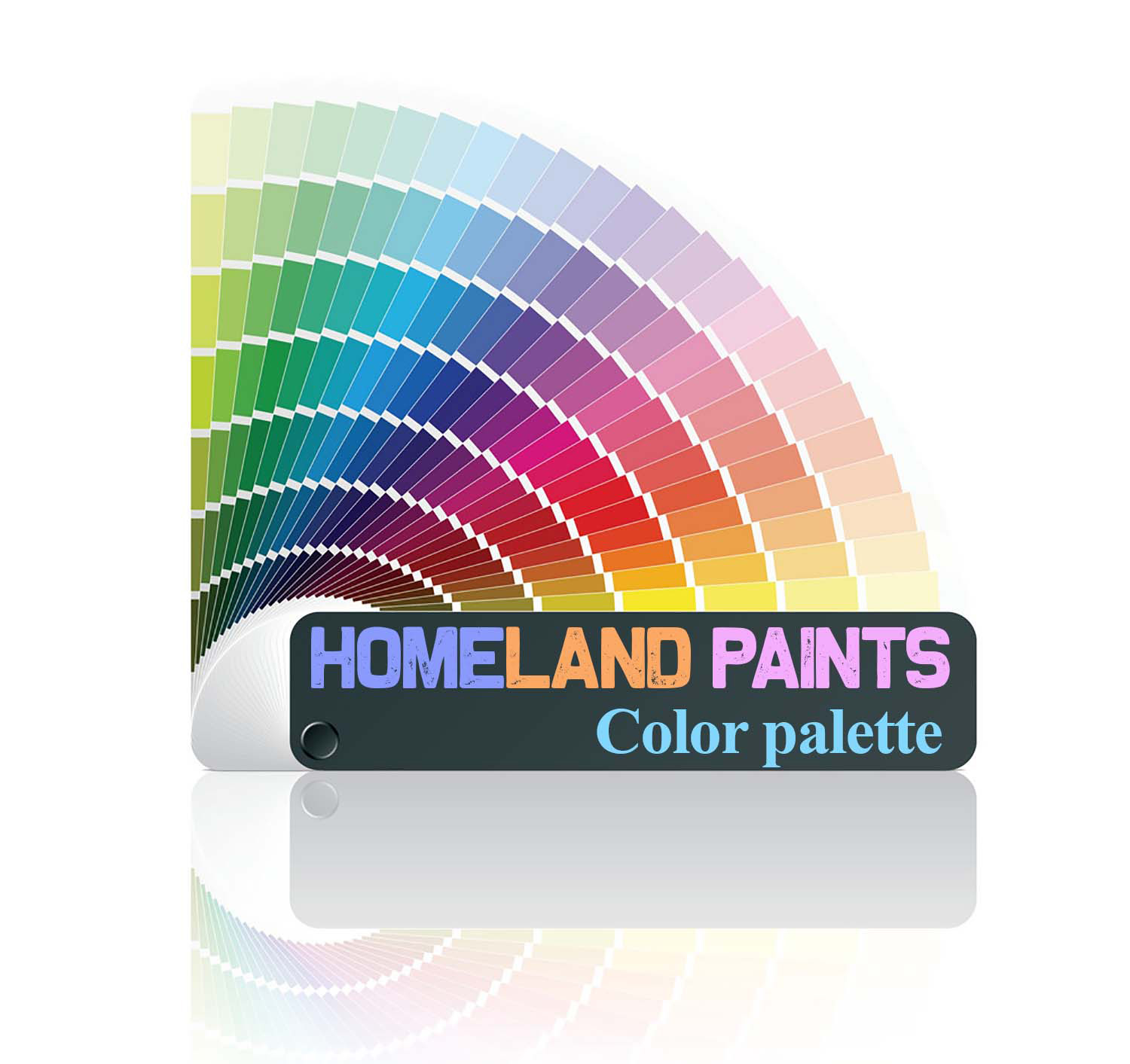
Paint colors and personality tell stories and reflect who we truly are. Picking colors when painting your house reflects your character and the personality of those living inside, directly creating the unique ambience of your home. Understanding the relationship between paint colors and personality makes choosing interior shades effortless and exciting.
From the clear blue morning sky to the white fluffy clouds and the bright warm yellow glow of the sun, colors are a fundamental part of our everyday lives. We decide on the color we will wear on any given day down to the color of the car we want to drive—our individual personality is a massive influence on every choice we make.
Understanding Paint Colors and Personality in Home Decor

When selecting a color palette for your living room, bedroom, or home office, aligning your choices with your trait tendencies ensures your living space feels authentic, inviting, and emotionally grounding. Here is how core color groups match distinct personality profiles:
1. The Color Purple: Creative & Charismatic
Purple has long been associated with royalty, mystery, and deep intuition. Individuals drawn to purple tones in home decor are often charismatic, sensitive, gentle, and supportive. Accent walls in lavender or rich plum offer an inspiring, reflective atmosphere for artistic minds.
2. The Color Orange: Playful & Energetic
Orange reflects a warm, kindhearted, playful, and energetic spirit. People who favor orange and tangerine shades tend to be generous and open-minded risk-takers. Integrating vibrant orange into social areas like dining rooms encourages active conversation, warmth, and high energy.
3. The Color Blue: Calm & Sincere
Blue is universally recognized for its soothing and relaxing properties. Blue lovers are generally sincere, kind, sympathetic, idealistic, romantic, loyal, and empathetic. Incorporating soft sky blues or deep navy hues creates a serene sanctuary ideal for bedrooms, home offices, and quiet reading nooks.
4. The Color Green: Intellectual & Balanced
Green represents growth, harmony, and natural renewal. If green is your go-to shade, your personality likely skews curious, intellectual, powerful, and comfortably introverted. Soft sage or emerald greens link indoor living spaces seamlessly to nature, fostering mental clarity and deep relaxation.
Matching Color Families to Unique Character Traits
Exploring how specific shades speak to your temperament can help guide your next home renovation project:
- Blues for Calm Individuals: Ideal for creating peaceful, stress-reducing environments that promote rest and tranquility.
- Greens for Pleasant People: Perfect for welcoming, balanced spaces that invite togetherness and harmony.
- Yellows for Creative Souls: Excellent for boosting mood, inspiring new ideas, clarity, and intellectual focus.
- Oranges and Tangerines for Flamboyant Ones: Perfect for expressive, bold personalities who love dynamic and lively gatherings.
- Browns and Beiges for Reliable Beings: Grounding earth tones for stable, dependable, grounded, and practical lifestyles.
- Pinks and Corals for Fun-Lovers: Upbeat, comforting tones that radiate warmth, positivity, and vibrant optimism.
How to Select the Perfect Color Scheme for Your Home
Choosing interior paint colors requires balancing natural light, room functionality, and your personal psychological response to tone. Start by analyzing how daylight shifts across your space. Warm tones like yellows and oranges suit north-facing rooms, while cooler blues and greens thrive in sunny south-facing spaces. By matching your choices to paint colors and personality, your walls will showcase a timeless design customized uniquely to you.
If you’re looking for high-quality wall finishes and shade inspirations, check out our full selection of premium products on the Homeland Paints Products Page to explore options tailored for every interior style.
For more insights into color theory and psychological research on color perception, you can read the Wikipedia Guide to Color Psychology.